
Nuclear research facilities
At The University of Manchester, we are at the forefront of nuclear science and innovation, hosting a diverse range of specialist laboratories and cutting-edge facilities.
Access our facilities
You can check access details via the links below or get in touch.
With over 15 dedicated nuclear research facilities, we continue to advance both fundamental science and industry-driven solutions.
As a recognised leader in the field, we play a key role in the National Nuclear User Facility (NNUF) scheme, proudly hosting six of its 24 funded facilities – a testament to our expertise and impact.
Discover some of our ground-breaking facilities below and see how we’re driving innovation in the nuclear industry.
Our research facilities
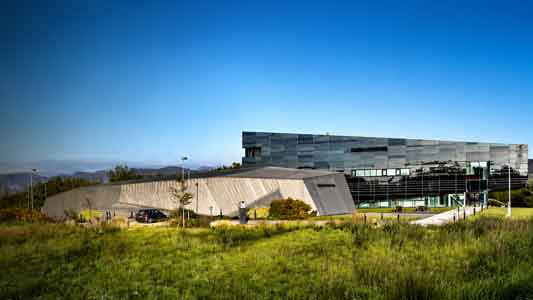
Dalton Cumbrian Facility (DCF)
DCF hosts a variety of world-leading radiation science facilities and provides the experimental infrastructure and expertise to allow universities and industry to carry out fundamental research in radiation science.
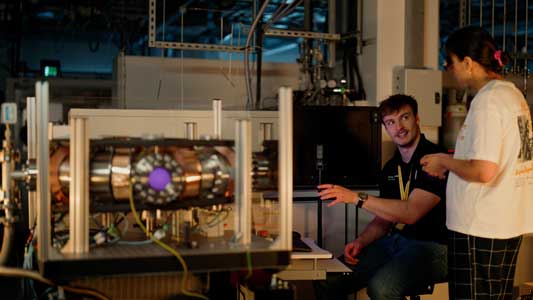
Dalton Fusion Facility
Advancing digital engineering and tritium science for fusion energy, linking experimental testbeds, digital twins and modelling to support the design, validation and safe operation of future fusion power systems.
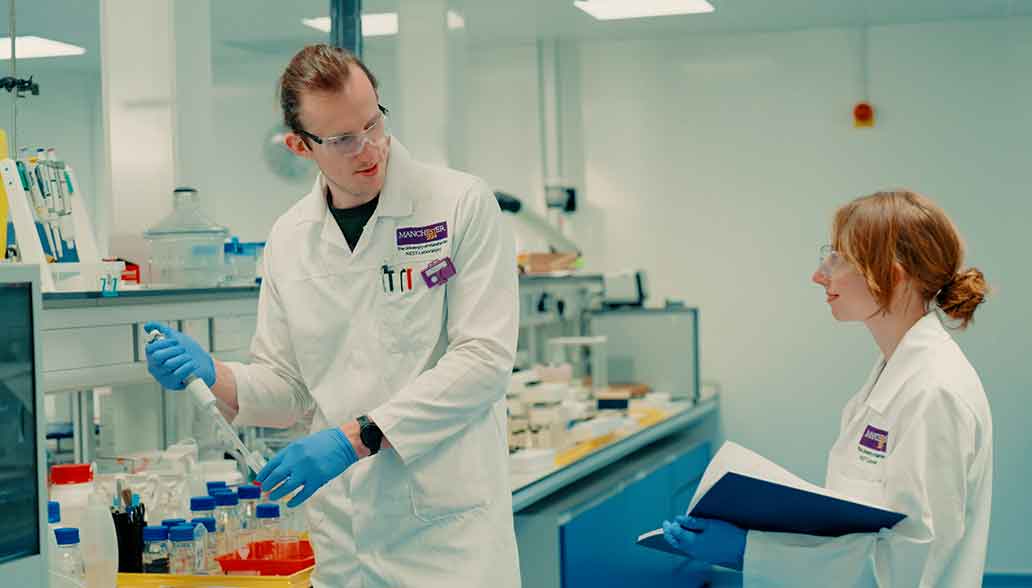
Nuclear Engineering Science and Technology Laboratory (NEST)
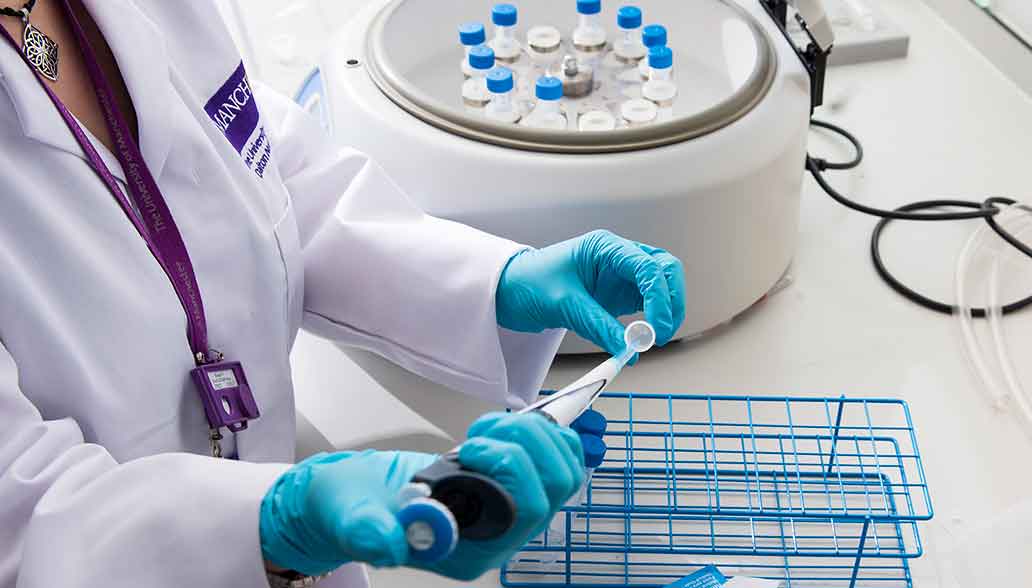
The NEST Facility supports advanced nuclear research in fission and fusion, specialising in molten salt technology, aqueous chemical processes and waste management strategies, with infrastructure for the safe handling of radionuclides and other hazardous materials.
The Centre for Radiochemistry Research (CRR)
Part of the NNUF scheme, the CRR advances radiochemistry research, focusing on synthesis in molten salts, recycling, and traditional aqueous and organic solvent chemistry, supported by cutting-edge facilities for nuclear studies.
RADioactive waste management and Environmental Remediation (RADER)
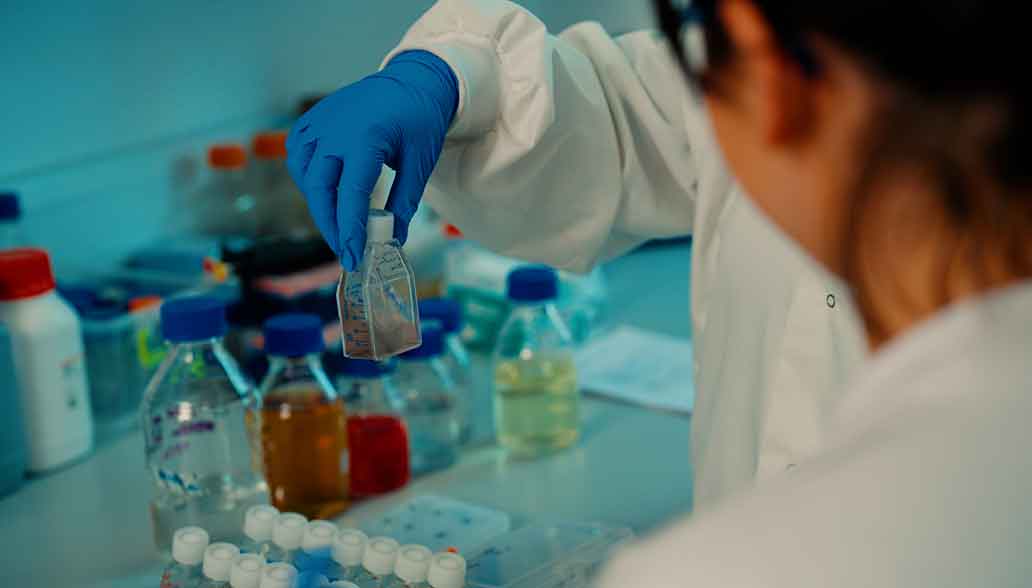
Funded through the NNUF scheme, RADER supports research associated with radioactive waste disposal and environmental remediation. Our work characterises the behaviour of radionuclides in engineered and natural environments to underpin legacy and new national programmes in nuclear decommissioning and disposal.
Nuclear Fuel Centre of Excellence (NFCE)
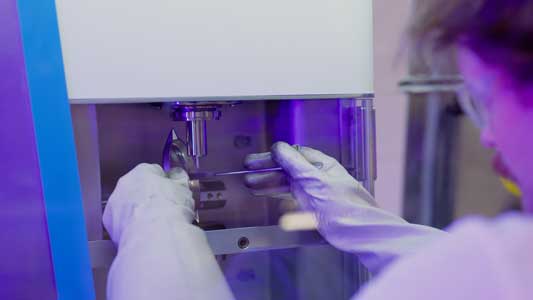
NFCE investigates uranium-bearing fuel materials on the pellet scale. Developed to manufacture, characterise and test current and novel nuclear fuels, it includes a suite of advanced manufacturing, state-of-the-art characterisation and high temperature test instruments within a central facility. NFCE is available for open access via a range of user-access schemes, including NNUF and Royce.
Irradiated Materials Facility
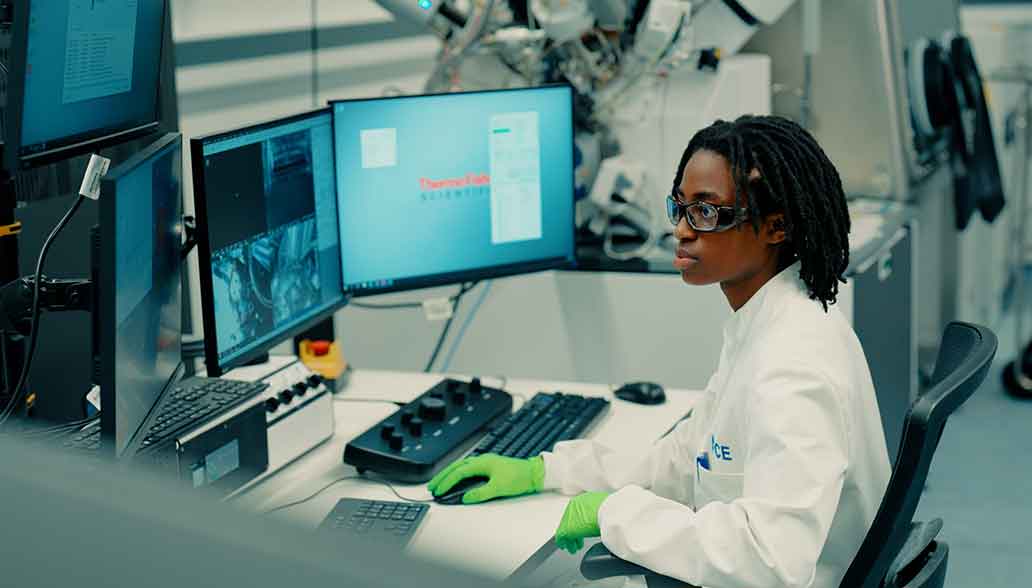
The Irradiated Materials Facility, based within the Royce Institute, hosts over £1M of EPSRC open‑access facilities dedicated to research on irradiated materials, with a focus on nuclear graphite and fuel cladding. It provides end‑to‑end active material handling, advanced radiological and microstructural characterisation, in situ thermomechanical testing under representative environments, and comprehensive porosity analysis, enabling detailed studies of irradiation damage and ageing in reactor materials.
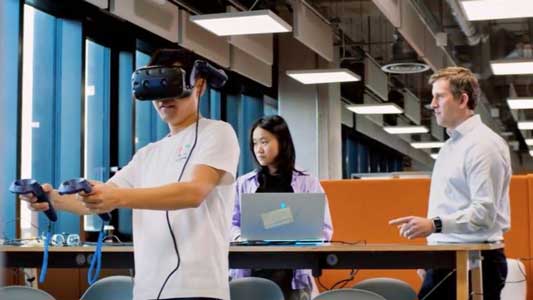
Modelling and Simulation Centre (MaSC)
Born from a collaboration between the University and EDF, the Modelling and Simulation Centre (MaSC) has focused on the development of cutting-edge computational methods and physical modelling to tackle industrial challenges in fluid dynamics, thermal hydraulics and structural mechanics.
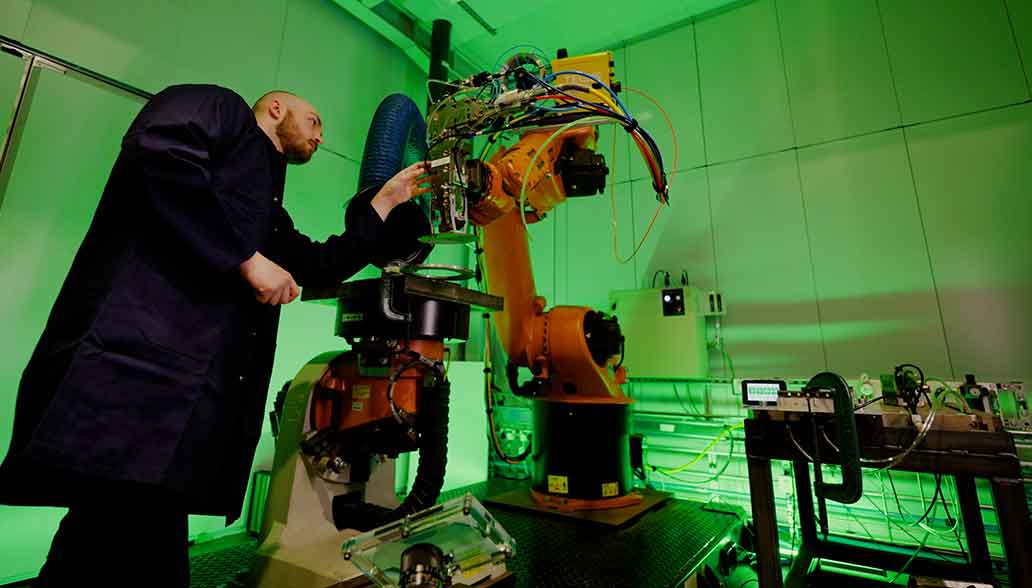
Manufacturing Technology Research Laboratory (MTRL)
The MTRL facility is responsible for manufacturing technology for research conducted by the School of Engineering. A significant aspect of MTRL's work involves welding, a high-heat process that fuses materials by melting the base material and adding a filler material.

Metallurgy and corrosion
The University of Manchester’s metals and corrosion research is the largest UK activity dedicated to research on the development, properties, and performance of metals and alloys for demanding environments across all applications.
Robotics and AI
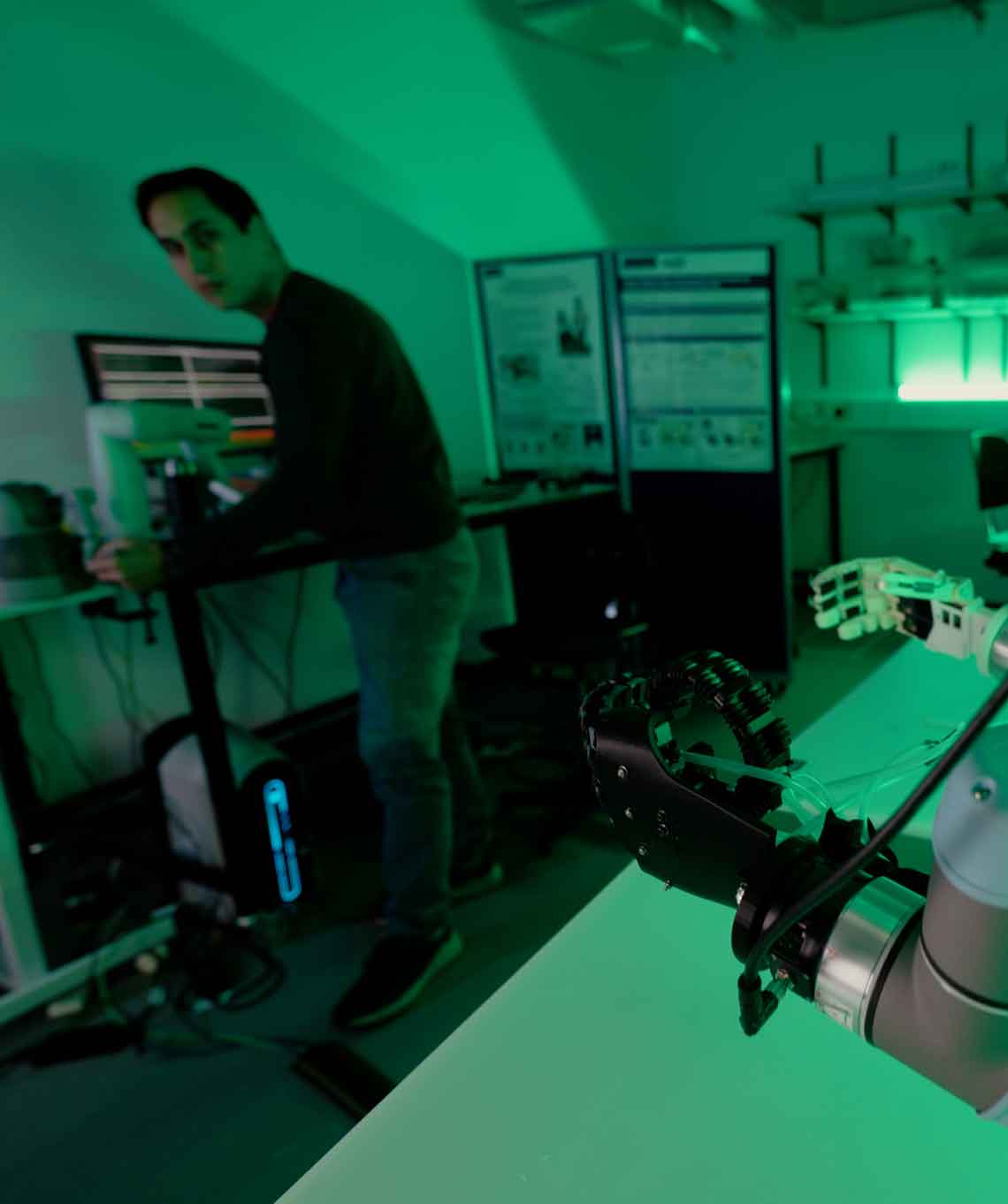
The Centre for Robotics and AI (CRAI) consists of several groups and facilities dedicated to developing robotics and autonomous systems to tackle challenges in extreme environments.
These groups and facilities include:
- Robotics for Extreme Environments Group (REEG);
- Centre for Robotic Autonomy in Demanding and Long-Lasting Environments (CRADLE), which originated from the University’s industrial partnership with Amentum;
- Robotics and Artificial Intelligence Collaboration (RAICo), which is a collaboration between the University of Manchester, the UK Atomic Energy Authority, the Nuclear Decommissioning Authority, Sellafield Ltd and AWE Nuclear Security Technologies;
- Hot Robotics RAICo1, which resulted from the University’s collaboration with the Hot Robotics Program, provides a space where researchers can work closely with engineers and operations staff from across the NDA estate and nuclear supply chain;
- Autonomy and Verification Group.
Related facilities and capabilities
Supporting the full research process
Our nuclear research is supported by wider specialist facilities across the University, including advanced imaging and characterisation capabilities that help researchers work across complex nuclear challenges.
Together, these facilities support the full research process, from sample preparation through to analysis and characterisation.
Facilities contributing to this work include:
- National X-Ray Computed Tomography;
- The Electron Microscopy Centre;
- Photon Science Institute;
- Molecular Environmental Science Laboratory.
Work with us
Our facilities are part of a wider collaborative research environment, connecting specialist expertise with real-world challenges across the nuclear sector. We welcome opportunities to build new partnerships, develop research ideas and support future projects.