
Fusion energy
Fusion research at The University of Manchester is a major part of the university’s wider nuclear engineering programme and focuses on helping make commercial fusion energy viable.
Building on more than 40 years of expertise in nuclear materials and engineering, Manchester researchers investigate how materials, fuels and reactor systems can survive the extreme conditions inside future fusion reactors.
Research areas include:
- fusion materials and structural integrity;
- tritium science and fuel cycle technologies;
- plasma-facing materials;
- advanced manufacturing for fusion systems;
- fusion engineering and reactor technologies.
Scientific leaders
A central area of research is the development of advanced materials for tokamaks, the doughnut-shaped reactors used to confine superheated plasma. Scientists study how materials such as tungsten and reduced-activation steels respond to intense neutron bombardment, high temperatures, and plasma exposure. Researchers also explore innovative manufacturing methods, including electron beam welding and tungsten-coated diamond technologies, to improve reactor durability and efficiency.
The university works closely with the UK Atomic Energy Authority (UKAEA) through partnerships focused on tritium science, digital engineering, and fusion fuel technologies. Manchester has received significant funding to support lithium breeding and tritium production research, both essential for sustaining future deuterium–tritium fusion reactors.
Facilities and partnerships
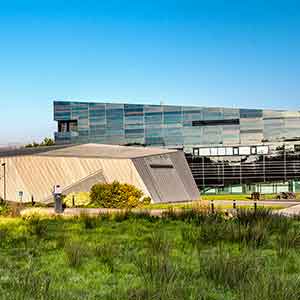
Research is supported by specialist facilities such as the Dalton Fusion Facility and the Dalton Cumbrian Facility, where scientists combine experimental testing with digital modelling and simulation. Manchester also works closely with national laboratories, research campuses and strategic programmes that are helping shape the future of fusion energy in the UK.
-

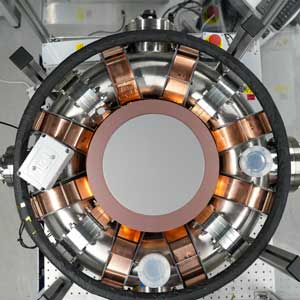
Dalton Fusion Facility
Advancing digital engineering and tritium science for fusion energy, linking experimental testbeds, digital twins, and modelling to support the design, validation, and safe operation of future fusion power systems.
Read more about our Dalton Fusion Facility
-
The UKAEA's Culham Centre for Fusion Energy
The UK's national fusion laboratory, providing world-leading facilities and expertise for fusion science and engineering.
Explore the UKAEA website
-
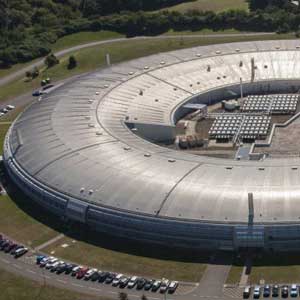
The University of Manchester at Harwell (UoMaH)
A dedicated Manchester presence at the Harwell Campus, supporting collaboration with national laboratories, industry and research partners.
Explore the UoMaH website
-
The UKAEA STEP programme
The UK's programme to deliver a prototype fusion power plant and demonstrate fusion energy generation at commercial scale.
Explore the UKAEA website
Developing future fusion expertise
The university also contributes to national doctoral training centres in fusion engineering, helping train the next generation of fusion scientists and engineers. Through these activities, Manchester plays an important role in the UK’s effort to develop clean, low-carbon fusion power for the future.
-

Engineering Doctorate training for future fusion engineers
Visit the Fusion Engineering CDT
-
Fusion Power Doctoral Training
Visit the EPSRC CDT


Stay connected
Receive updates from the Dalton Nuclear Institute, including the latest research, policy papers, events and opportunities to engage with our nuclear research community.