
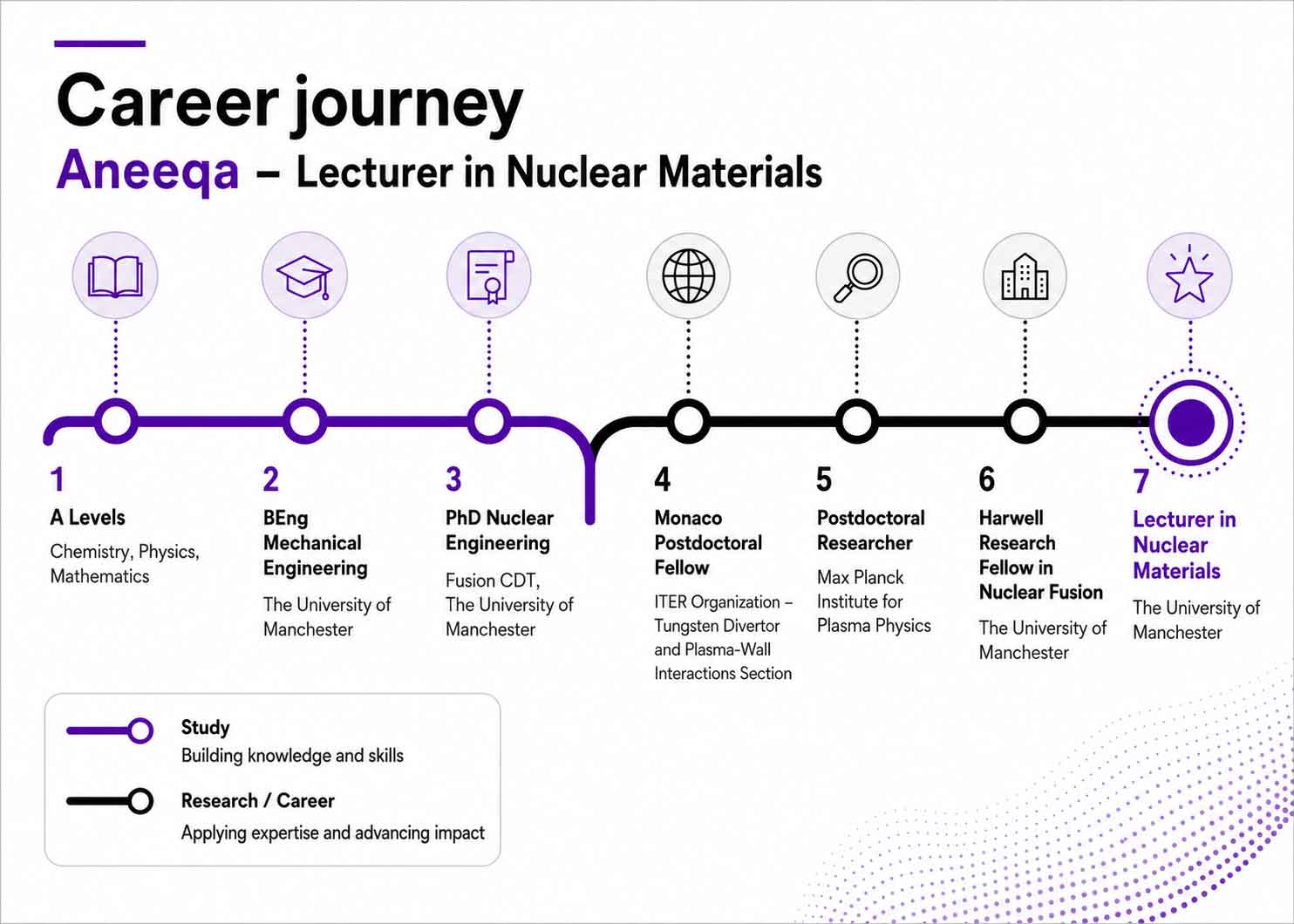
Career journey: lecturer in nuclear materials
Hear from Aneeqa Khan about the path that led her from study at Manchester into a meaningful career with the industry sector.
Aneeqa Khan
Lecturer in nuclear materials.
Aneeqa lectures in the Department of Mechanical and Aerospace Engineering. Her role spans teaching, student supervision, research proposals, collaboration with industry and academia, conference presentations, outreach and leadership within the Dalton Champions.
At a glance
- Works with undergraduate and PhD students.
- Lead for outreach, media and engagement.
- Researches materials for fusion applications.
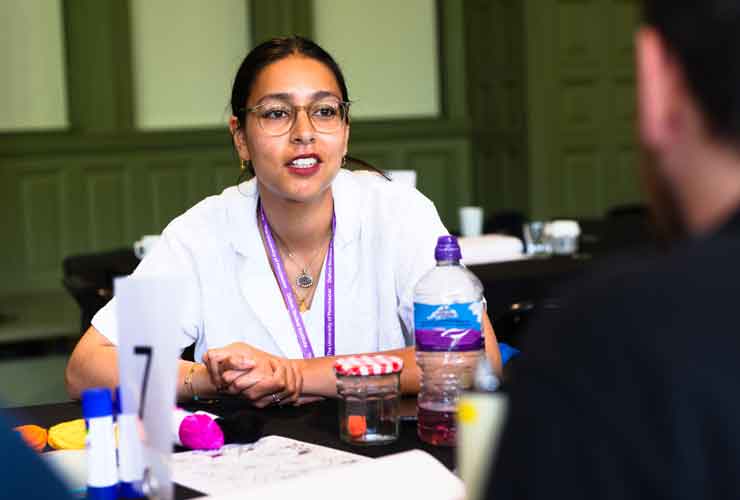
A typical day looks like ...
I enjoy the variety and the chance to make a difference through teaching, research and engagement. It keeps me inspired every day.
Every day is different, from teaching and supervising projects, writing research proposals, working with collaborators, presenting at conferences, taking part in outreach and supporting the Dalton Champions.
Aneeqa is also the lead for outreach, media and engagement for the Fusion Power and Fusion Engineering Centres for Doctoral Training, with research interests in materials for nuclear fusion applications, including steels, tungsten and CVD diamond.
My role is important because ...
Working with and training young people is hugely important because they are the future workforce. My role helps to create the experiences and opportunities that will prepare students for successful careers. In my case, that means helping some of the future industry professionals who will make fusion a reality!
Working in materials for fusion is really important as fusion has the potential to become a low carbon source of energy in the future. Fusion is considered a green source of energy as it does not release carbon dioxide into the atmosphere.
If we can make it work, it has the potential to provide a stable baseload of electricity to the grid, as well as potential for secondary applications such as hydrogen production or heating. It is not ready yet and therefore it can’t help us with the climate crisis now, however, if progress continues it has the potential to be part of a green energy mix in the latter half of the century and should be part of our long term strategy, while we use other existing technologies such as nuclear fission and renewables in the near term.
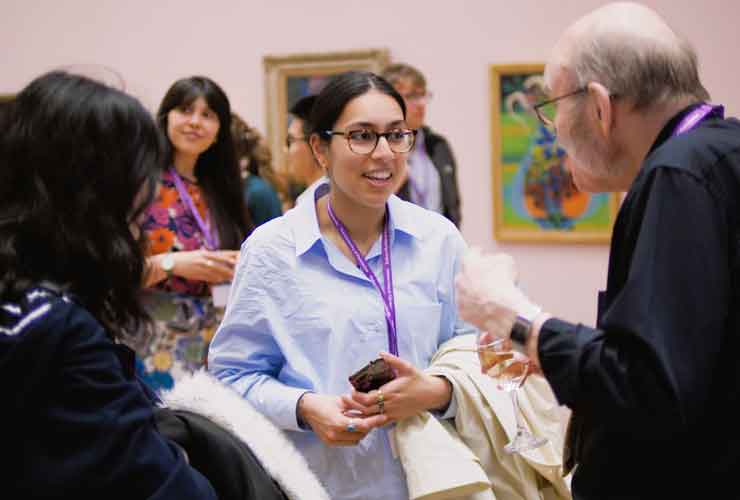
My favourite thing about my role is ...
I most enjoy working with students, seeing them achieve their goals and follow their dreams, developing collaborations and working with a diverse range of brilliant colleagues from all around the world who are also working hard to make fusion a reality. I also love sharing our amazing work with a wide range of audiences, from young people and the general public through to policy makers and journalists.
Clear communication is essential when explaining complex science to different audiences - it's a skill that continues to shape my work every day.
A specific experience that has stuck with me was…
Being a widening participation fellow during my PhD was particularly formative. Develop workshops and techniques to explain complex scientific concepts to young people really helps you to improve your communication skills and develop different ways of explaining things. Clear communication to a range of different audiences is probably the most important part of my job.